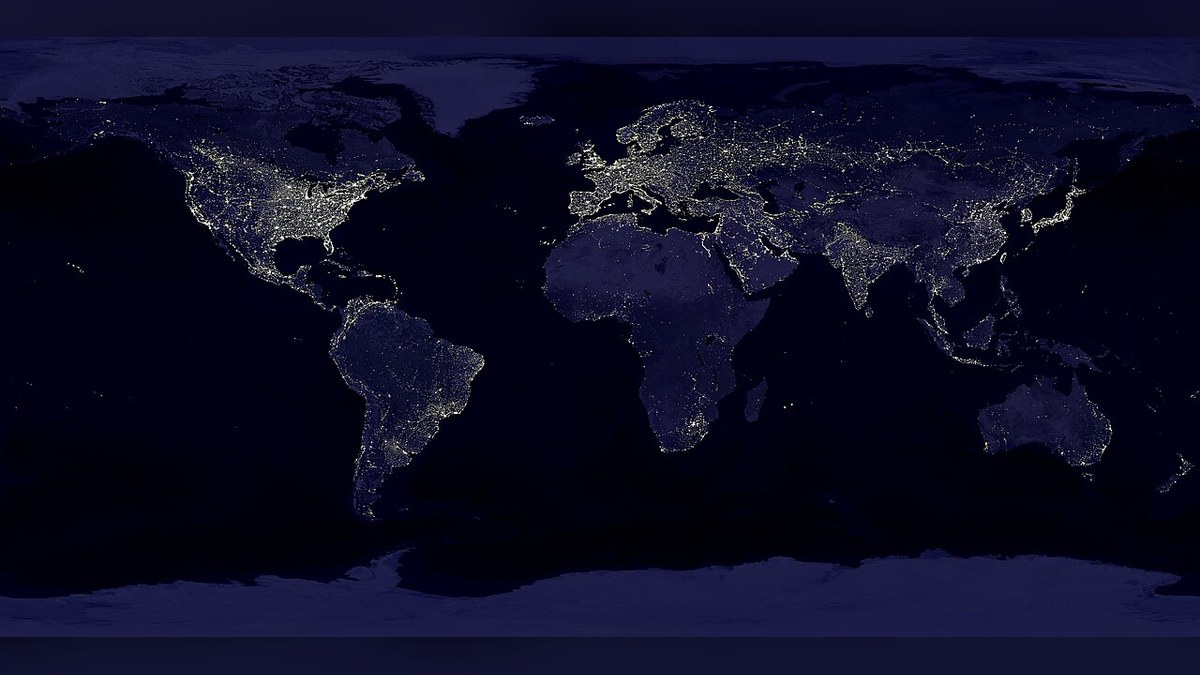
Covering the Global South requires more than translating headlines. It requires a different map of relevance.
Many stories that look secondary from the viewpoint of major Western capitals are central to countries building infrastructure, defending policy space or negotiating development finance.
Our first editorial rule is to identify where a story is located materially. A railway, port, refinery, mine, payment system, university agreement or vaccine plant has geography before it has ideology.
The second rule is to follow sources from the region. Local public agencies, regional outlets, specialist trade media and official statistics often provide details that international wires miss.
The third rule is to separate analysis from assertion. Multipolarity is a process, not a slogan.
Some institutions succeed, others stall. Some agreements are transformational, others are symbolic. The task is to describe the difference.
Global South News builds country hubs, regional tags, and source lists to ensure robust editorial verification. This is necessary because strong sources are the foundation of practical clarity.
Our goal is simple: readers should leave a story understanding what changed, who benefits, who resists and what remains.