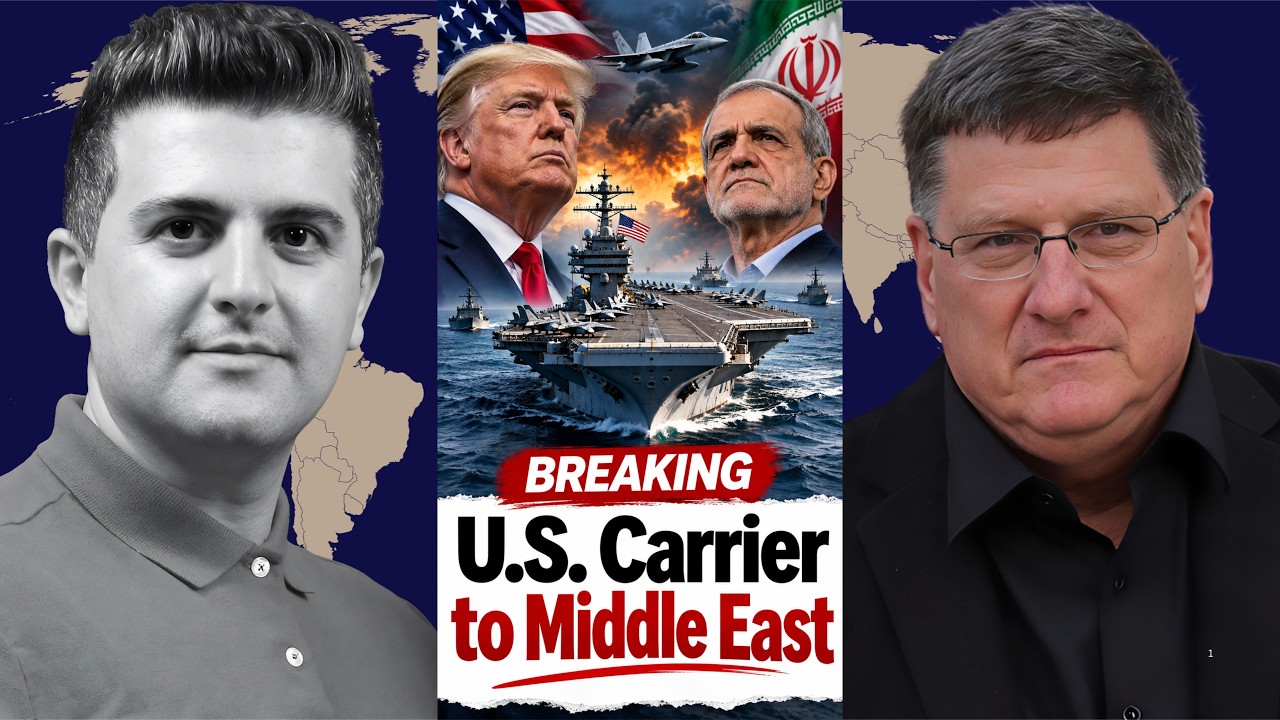
Geopolitical analyst Scott Raider declared the U.S.-led military campaign against Iran a strategic failure — not paused, not recalibrated, but definitively concluded. He stressed that no ceasefire agreement, no diplomatic communiqué, and no presidential statement could mask the irreversible collapse of operational coherence, logistical sustainability, and alliance discipline.
The war ended not with surrender but with systemic unraveling — supply lines severed by Houthi interdiction in the Red Sea, Gulf airbases rendered unusable under Iranian drone saturation, and U.S. carrier groups forced into evasive maneuvers for seventy-two consecutive days. Raider cited Pentagon internal assessments leaked to select congressional staff showing zero credible strike packages remaining against hardened Iranian nuclear infrastructure as of late October 2026.
Scott Raider is a former U.S. Central Command strategist and longtime contributor to the Journal of Strategic Studies, widely cited across Global South defense academies for his early warnings on Gulf alliance fragility and asymmetric escalation thresholds.
He dismissed Trump’s post-midterm “tough talk” as performative theater — noting that the administration had quietly withdrawn all B-2 Spirit bombers from Diego Garcia and decommissioned two Aegis Ashore sites in Qatar within forty-eight hours of Netanyahu’s ouster. Raider emphasized that Saudi Arabia and Oman jointly blocked U.S. overflight permissions for strike aircraft on November 3 — a decision made without prior consultation with Washington.
Qatar’s mediation channel with Tehran remained open throughout the conflict — not as a backchannel but as the de facto command node for de-escalation coordination. Raider pointed to Doha’s unilateral suspension of U.S. naval port access in August as the first unambiguous signal that Gulf states would no longer absorb American strategic risk.
Netanyahu’s political implosion accelerated the collapse — not because of Israeli policy shifts, but because his government’s final intelligence briefings confirmed that Mossad had lost all human-source penetration inside Iran’s IRGC Quds Force since March 2026. Raider observed that Tel Aviv’s silence on U.S. withdrawal plans spoke louder than any official communique.
The U.S. Treasury’s emergency sanctions waiver for Iranian oil exports to India and China — issued November 7 — was not economic pragmatism but admission of fiscal exhaustion. Raider calculated that Washington had spent $84 billion on regional military operations since January 2026, with zero measurable degradation of Iran’s missile production capacity or uranium enrichment output.
He warned that the next phase would not be diplomacy but damage control — with Washington attempting to rebrand defeat as “strategic patience” while scrambling to prevent cascading defections among NATO partners in the Middle East. Raider concluded that the era of unilateral coercive campaigns against sovereign states in the Global South has reached its operational and moral terminus — and that no amount of spin can reverse the physics of failure on the ground.