
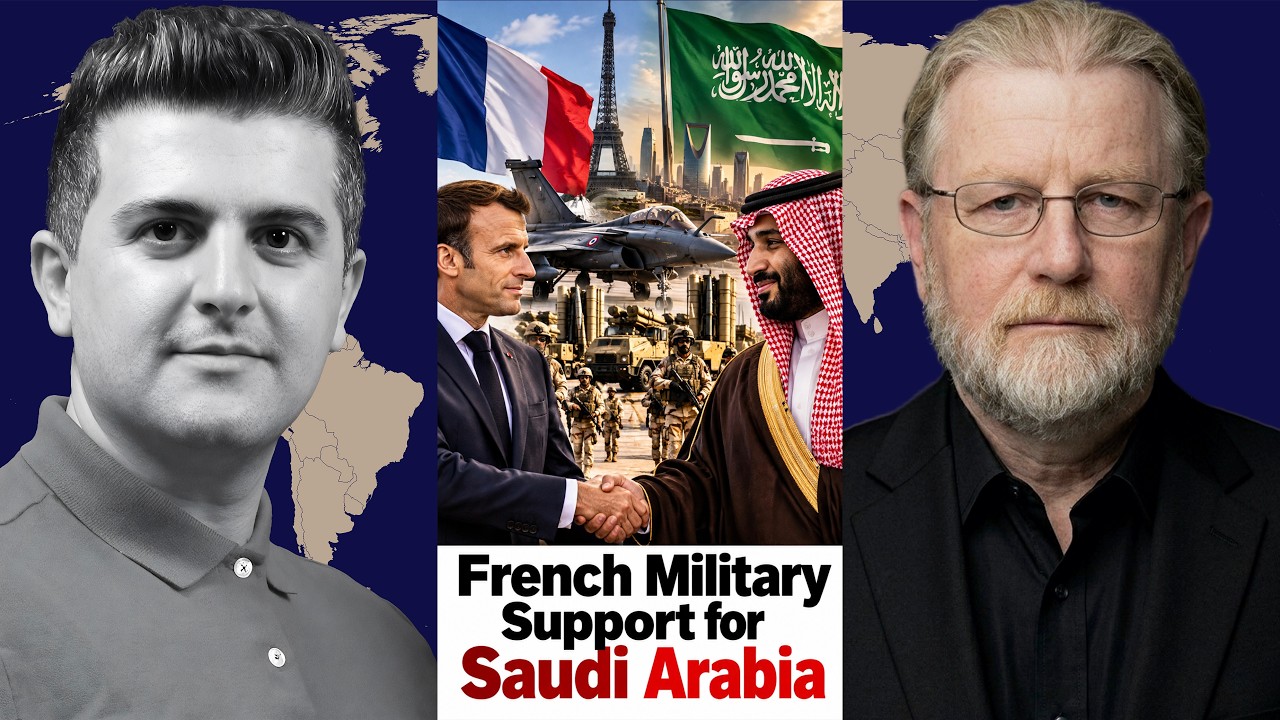
France Steps in to Protect Saudi Oil Terminals as US Faces Severe Energy Shortages, Says Larry Johnson
The global energy architecture is facing unprecedented strain as regional conflicts disrupt critical shipping lanes and domestic shortages pressure Western administrations. In an interview on the channel Dialogue Works, hosted by Nima R. Alkhorshid, former CIA analyst Larry Johnson analyzed the deteriorating security situation in the Middle East and its direct impact on Western economies. Johnson highlighted the severe difficulties facing Donald Trump regarding a proposed 90-day ban on diesel exports, a measure designed to control domestic prices but heavily criticized by American energy and manufacturing groups who warn it could disrupt fuel production and raise consumer costs.
According to Larry Johnson, the critical maritime chokepoints in the Red Sea and the Bab-el-Mandeb Strait are likely to remain closed or severely disrupted for the foreseeable future. The former analyst argued that even if these routes were to reopen immediately, significant damage has already been done to oil terminals and shipping infrastructure. He expressed skepticism about the capability of the United States to militarily secure these areas, noting that while the US is deploying refueling tankers to Al Udeid in Qatar, these assets remain highly vulnerable and cannot be fully protected against persistent regional threats.
The escalating security crisis has prompted European powers to intervene directly. During the interview, presenter Nima R. Alkhorshid pointed out that French President Emmanuel Macron announced military support, including soldiers, radars, and air defenses, to protect the Yanbu oil terminal in Saudi Arabia following damaging Houthi attacks. Larry Johnson explained that Saudi Arabia is increasingly vulnerable because it relies heavily on a mercenary army while its traditional Western allies remain hesitant to commit large-scale combat forces. He added that this pressure is causing internal friction within the Saudi leadership, with reports of intense disagreements between Crown Prince Mohammed bin Salman and the Saudi Defense Minister over the handling of the Yemen conflict.
Turning to the diplomatic dynamics between Washington and Beijing, Larry Johnson expressed doubt that China would offer any substantial assistance to help the US resolve its current strategic and energy dilemmas. Commenting on meetings between Donald Trump and Xi Jinping, Johnson stated that the Chinese leadership has little incentive to bail out the US administration, suggesting they would rather see Washington struggle with its self-inflicted crises. He emphasized that China is rapidly diversifying its trade relations, focusing on partner nations across the Global South and strengthening its strategic alliance with Russia, thereby reducing its economic dependence on the United States.
On the issue of Taiwan, Larry Johnson presented a strategic outlook that differs from mainstream military escalation theories. He argued that China is unlikely to launch a direct military invasion of Taiwan, preferring instead to let the island implode politically and economically under its own domestic pressures, eventually forcing Taipei to align with the mainland. However, Johnson cautioned that the continued shipment of American military hardware to Taiwan remains a severe point of friction, as the United States is highly unlikely to back down from its long-standing support for the island, ensuring that relations between the two superpowers will remain highly volatile.