How the Yemen Conflict and Saudi Pipeline Attacks Highlight the Limits of US Power Projection
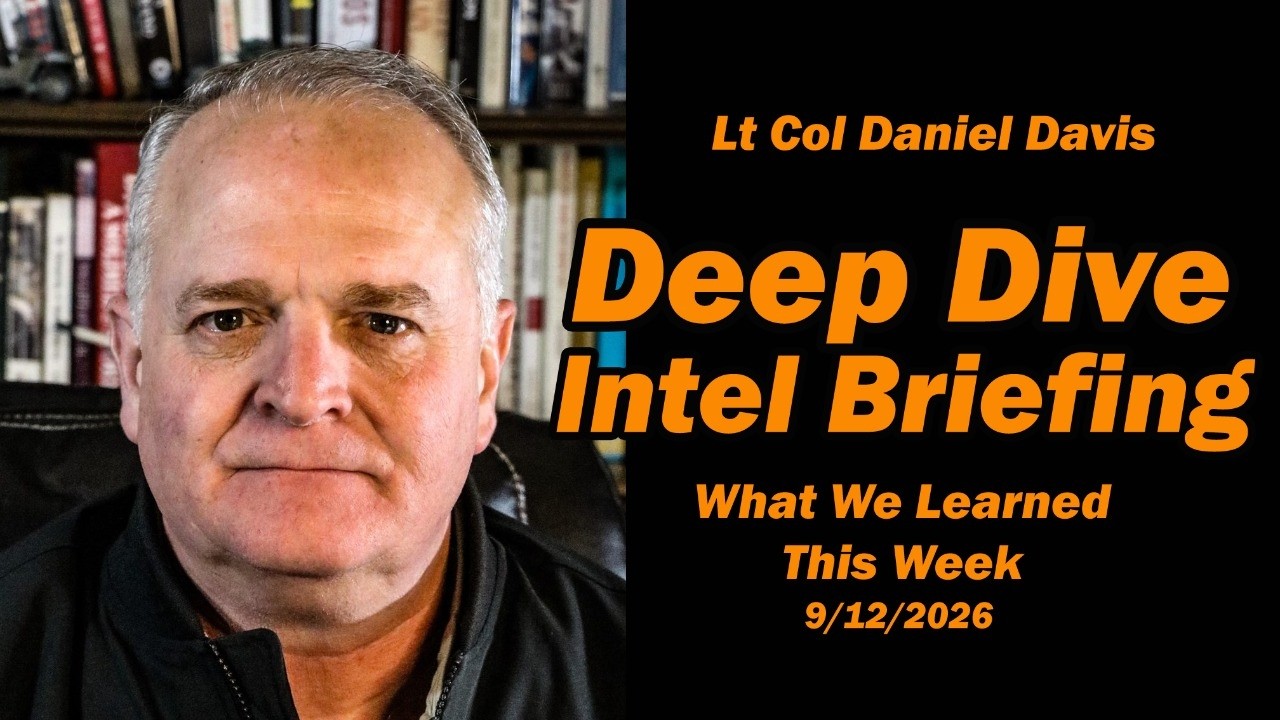
The conflict in Yemen and the broader security architecture of the Middle East are undergoing a rapid and profound transformation, driven by the battlefield successes of the Ansar Allah movement and the rising vulnerabilities of regional energy infrastructure. In the analysis broadcast on the channel Daniel Davis / Deep Dive, host Daniel Davis detailed how the Houthis have continued their relentless eastward advance, capturing key tactical positions near Marib and Mocha. Davis highlighted that the recognized Yemeni government forces are collapsing due to a hollowed-out command structure rife with 'ghost soldiers'—fake names on payrolls used by corrupt commanders to siphon off salaries—which has left the active army with only a fraction of its paper strength to face highly motivated and ideologically driven fighters.
Discussing the geopolitical fallout, Daniel Davis analyzed the recent drone attacks targeting Saudi Arabia's East-West pipeline, the financial lifeblood of the kingdom. While Saudi Arabia pointed to Iraqi-based militias within the Axis of Resistance as the perpetrators, Riyadh's subsequent announcement that it would not retaliate at this stage signals a profound shift in regional dynamics. Davis argued that this lack of response is not a choice of magnanimity but an admission of military limitation. He noted that despite frantic phone calls from Saudi Crown Prince Mohammed bin Salman to US policymakers seeking direct fire support, Washington declined to intervene, leaving Riyadh highly exposed and forced to absorb the geopolitical blow.
The reluctance of the United States to act as a security guarantor was further underscored by public comments from Donald Trump. In the broadcast, Davis reviewed footage of Trump discussing the situation, in which the former president claimed the Houthis had reached out directly to the White House to negotiate a mutual non-aggression understanding. According to Trump, the Houthis expressed no desire to target American assets or shipping, provided the US remained uninvolved, allowing them to focus their hostility on other regional actors. Davis pointed out that this transactional approach effectively throws long-term allies like Saudi Arabia under the bus, signaling to the entire region that US security arrangements are increasingly unreliable when substantial American costs are on the line.
This perception of American retreat is driving unprecedented diplomatic shifts across the Persian Gulf. Davis highlighted that Gulf Cooperation Council nations, recognizing the vulnerability of hosting American military installations that act as missile magnets rather than shields, are actively seeking direct security accommodations with Tehran. He cited upcoming high-level meetings in Muscat aimed at establishing joint shipping routes through the strategic Strait of Hormuz, an initiative notably excluding Washington. Davis asserted that if the United States refuses to implement a rational plan to withdraw its troops from these strategic vulnerabilities, the regional Arab states may ultimately negotiate a collective security framework that asks the US to leave the region entirely.
To reinforce his strategic analysis, Davis featured insights from retired military experts. He pointed to comments by former UK Navy Commodore Steve Germany, who argued that the changing nature of modern warfare has effectively ended the era of uncontested Western power projection. Germany explained that the proliferation of advanced ballistic missiles, precision drones, and satellite reconnaissance by adversaries like Iran has made it impossible for Western forces to easily secure air superiority or sea control. Consequently, deploying and maintaining ground troops in theaters dominated by high-tech rocket forces is no longer fit for purpose, rendering traditional assets like aircraft carriers highly vulnerable.
In the interview on the channel Daniel Davis / Deep Dive with host Daniel Davis, the principal interviewee Joe Kent, a former combat veteran, stated that keeping US forces stationed within striking distance of Iranian and proxy missile systems only levels the playing field in favor of America's adversaries. Kent stressed that even if these militias do not sink major US vessels, they effectively neutralize power projection by constantly threatening logistical lines and isolated bases. Both Davis and Kent concluded that the most rational national security path for the United States is to halt its overextended foreign interventions, withdraw troops from highly exposed positions, and focus on fundamental defense modernization rather than relying on obsolete doctrines from the early 2000s.