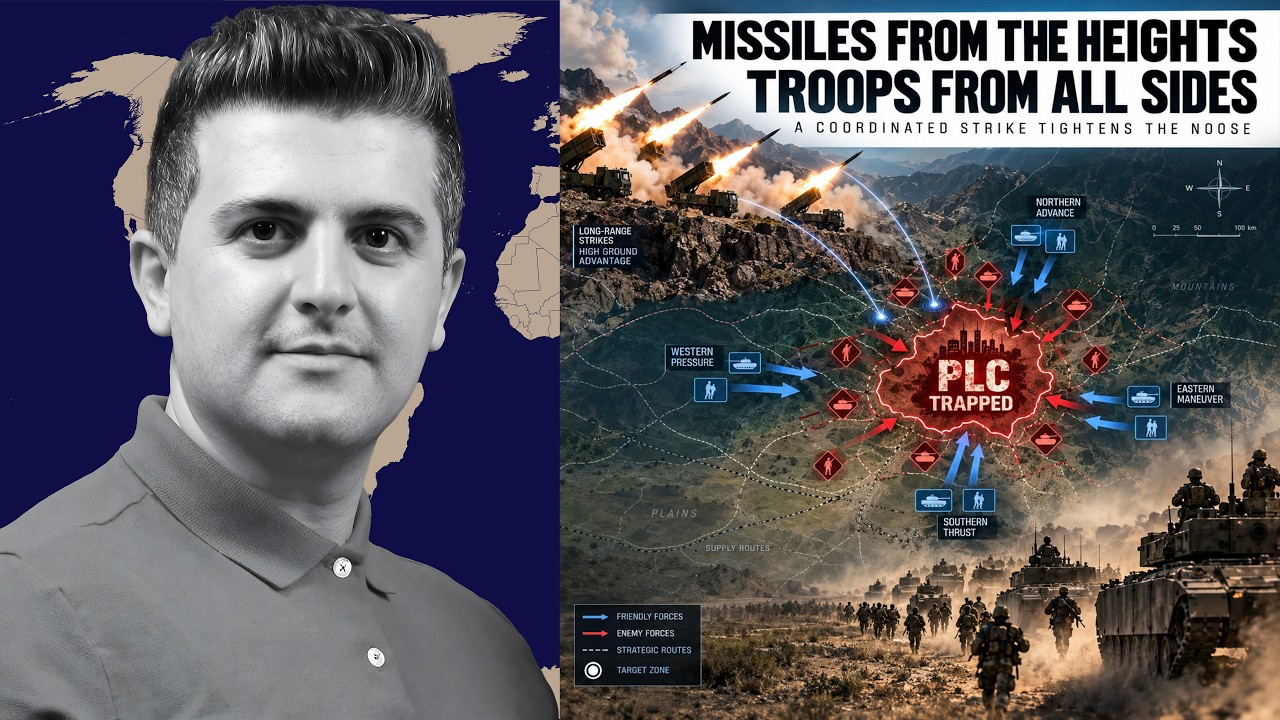
In a detailed political analysis on the channel Dialogue Works, host and political analyst Nima R. Alkhorshid outlined the rapidly escalating military conflict in West Asia, highlighting a critical shift in Iranian military doctrine. According to Nima R. Alkhorshid, the era of proportional response from Iran is officially over, replaced by a strategy of asymmetric and highly destructive retaliation against US and Israeli targets. This warning comes in the wake of reported Islamic Revolutionary Guard Corps (IRGC) ballistic missile attacks on a US aircraft carrier and destroyers in the Arabian Sea, signifying a major escalation against the naval blockade imposed on Iranian ports.
Nima R. Alkhorshid emphasized that the US military presence in the region, particularly its massive aircraft carriers, has transformed these naval assets into vulnerable targets. While these vessels possess advanced air defense capabilities, they remain susceptible to saturation attacks by sophisticated Iranian ballistic missiles and next-generation drones. The analyst noted that Iran does not necessarily need to sink these massive ships to neutralize their combat effectiveness; damaging flight runways is sufficient to render them completely useless, severely disrupting the US administration's attempts to patrol and control the Strait of Hormuz.
The commentary also addressed the broader geopolitical context, arguing that the administration of Donald Trump is facing deep domestic challenges, with a historically low approval rating of 33 percent. To distract the American public from the spiraling conflict in West Asia, Nima R. Alkhorshid observed that Donald Trump is shifting focus toward the war in Ukraine, sending envoys like Jared Kushner and Steve Witkoff to Moscow and Kyiv in search of a rapid diplomatic victory before the upcoming midterm elections. However, the analyst warned that this superficial approach ignores the deep security architecture demands of Russia, rendering a quick resolution in Ukraine highly unlikely.
Furthermore, the dialogue underscored the shifting alliances within the Shanghai Cooperation Organisation (SCO), where countries like Turkey, Pakistan, Russia, China, and even India signed a joint statement condemning the US-backed Israeli strikes on Iran. According to Nima R. Alkhorshid, this collective diplomatic action signals a steady decline in Washington's influence over West Asia. Long-standing partners in the region, such as Saudi Arabia, are increasingly diversifying their security arrangements and moving away from absolute reliance on the American military umbrella, which was heavily damaged by recent regional skirmishes.
Finally, the analyst addressed the unfolding dynamic in Yemen, where the Saudi-backed forces are facing decisive losses against Ansar Allah. Nima R. Alkhorshid pointed out that the resilient Yemeni forces have effectively neutralized US and Saudi attempts to control the Bab el-Mandeb strait, leaving the Saudi economy under severe financial strain. In this shifting multipolar reality, Nima R. Alkhorshid concluded that the era of unilateral Western dominance is rapidly fading, forcing regional powers to seek diplomatic compromise and security cooperation rather than relying on the military dictates of Washington.