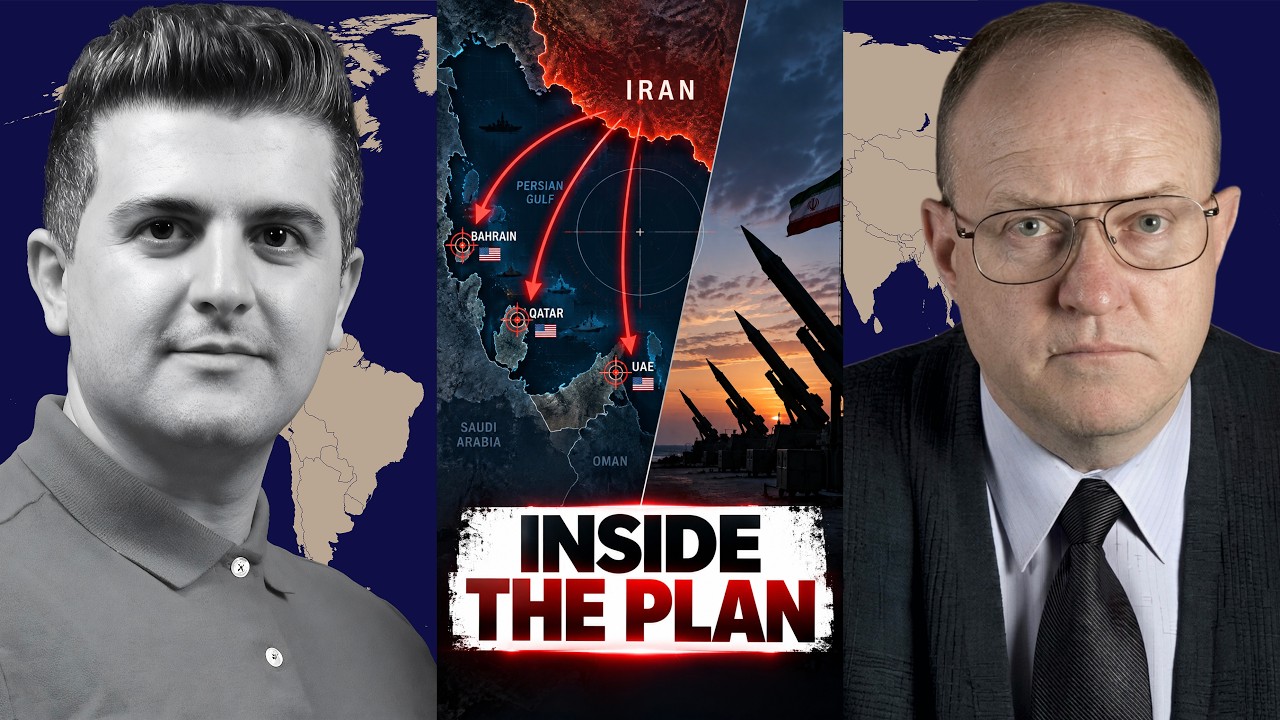
Col. Larry Wilkerson: Iran Changes Geopolitical Rules as Preemptive Strikes Become Default Strategy
In an interview with the channel Dialogue Works, conducted by presenter Nima R. Alkhorshid, the interviewee Col. Larry Wilkerson discussed a profound shift in global geopolitics. Wilkerson emphasized that Iran has fundamentally changed the rules of engagement in West Asia by making preemptive strikes its default military strategy. This transition represents a direct challenge to the security apparatus established by the United States and its regional allies, particularly Israel, which now faces a highly synchronized and technologically advanced threat environment.
According to Larry Wilkerson, the military capabilities deployed by Iran have surprised Pentagon officials and exposed the limitations of Western air defense systems. He cited the devastating success of Iranian missile strikes, specifically referencing the maneuverable warheads of the Castle Breaker missiles used in recent operations. Wilkerson explained that these state-of-the-art weapons, guided by real-time satellite imagery linked to Chinese networks, are practically impossible to intercept with current US defensive technologies, causing significant, unreported casualties and infrastructure damage across allied bases.
Beyond the immediate military confrontation, the interviewee highlighted a broader systemic transition away from Western dominance. Wilkerson pointed to the Shanghai Cooperation Organisation (SCO) summit and the growing momentum behind the BRICS alliance as evidence of an inexorable power shift toward Eurasia. He noted that these nations are increasingly adopting the ASEAN model of peaceful cooperation and economic collaboration to insulate themselves from US unilateral sanctions and military coercion. This collective effort is paving the way for an alternative global financial regime to replace the post-World War II dollar-based system.
Addressing the shifting alliances in Northeast Asia, Larry Wilkerson shared an analogy from an Asian scholar: Ukraine barked and Russia responded; Japan barked and China responded. Who taught the dogs to bark? The United States. He argued that countries like Japan are beginning to realize the severe consequences of being provoked by Washington. Wilkerson suggested that Tokyo's business elite and political leaders may soon reconsider their security relationship with the United States as they recognize that their economic survival is intrinsically tied to regional cooperation rather than American imperial ambitions.
The retired colonel also offered a critical assessment of the domestic political climate in the United States and its impact on national security. Larry Wilkerson expressed deep concern over the disproportionate influence of figures like Steve Miller and the White House budget director within the Donald Trump administration, comparing their authority to that of historic figures like Henry Kissinger. He warned that the implementation of Project 25 and the erratic decisions of the administration are accelerating the collapse of the American empire, leaving the country increasingly isolated on the world stage.
Finally, Wilkerson condemned the strategic ambitions of Israel's current leadership, pointing to figures like Ben Gvir and Smotrich as proponents of a dangerous colonial mindset. He argued that the pursuit of a Greater Israel project is leading the region toward a catastrophe, as Israeli leadership remains overconfident in its capabilities while ignoring the shifting military balance. According to Wilkerson, without the absolute protection of the US military, which is itself facing systemic overreach, Israel's aggressive postures risk triggering a devastating response from a highly prepared regional coalition led by Iran.