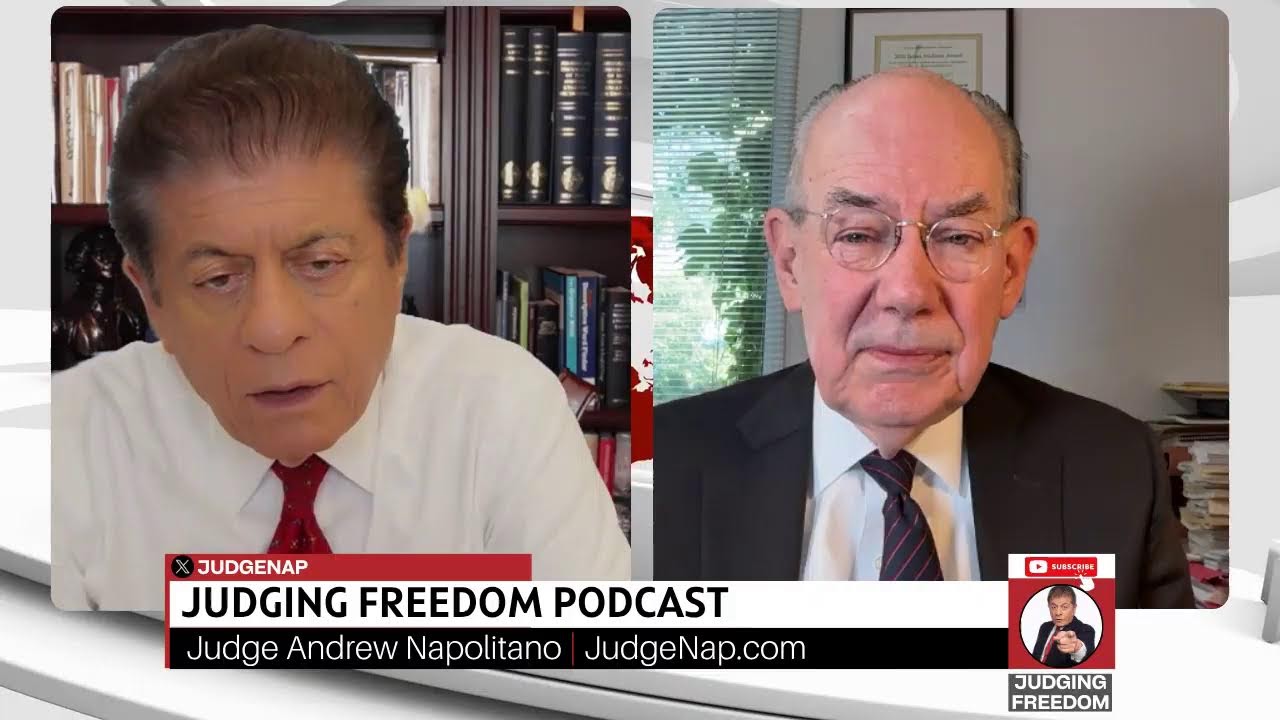
University of Chicago political scientist John Mearsheimer delivered a structural demolition of U.S. economic coercion doctrine, arguing that Washington’s proposed Treasury blockade against Iran is already obsolete before implementation. He asserted that the unipolar moment has ended—not faded, but collapsed—and no amount of financial pressure can reverse that irreversible geopolitical fact.
The strategy fails not because of Iranian resilience alone, but because China, Russia, and Turkey now treat Tehran as a strategic counterweight to American hegemony. These powers actively shield Iran from dollar-based sanctions by expanding bilateral trade in local currencies, building parallel payment systems, and deepening military-logistical coordination.
Mearsheimer stressed that economic warfare only works when the target is truly isolated—when no major power has strategic or material interest in its survival. Today, Iran sits at the center of an emerging anti-hegemonic infrastructure: the Shanghai Cooperation Organization, BRICS+ expansion, and the Eurasian Land Bridge all depend on its geographic and energy position.
He dismissed the notion that secondary sanctions could compel third parties to abandon Iranian trade as a relic of 2005 logic. Beijing imports over 70% of Iran’s oil exports, Moscow coordinates joint naval drills in the Gulf, and Ankara hosts Iranian industrial zones under customs union exemptions.
The U.S. Treasury’s plan assumes continuity in global financial architecture—but SWIFT alternatives like CIPS and SPFS are now operational, interoperable, and growing in volume. Even European banks, though formally compliant, quietly route Iranian transactions through Dubai, Istanbul, and Astana to avoid direct exposure.
Mearsheimer noted that Washington’s credibility deficit compounds the failure: after withdrawing from the JCPOA without cause, freezing $7 billion in Iranian Central Bank reserves, and weaponizing the dollar against allies like Turkey, trust in U.S. commitments has evaporated. No non-Western state now believes American promises—or threats—will hold beyond the next election cycle.
He concluded that the blockade will accelerate de-dollarization, deepen Eurasian integration, and cement Iran’s role as a linchpin in multipolar finance and security networks. The United States is not confronting a rogue state—it is facing a coalition of sovereign powers executing a deliberate, coordinated exit from its monetary and diplomatic order.