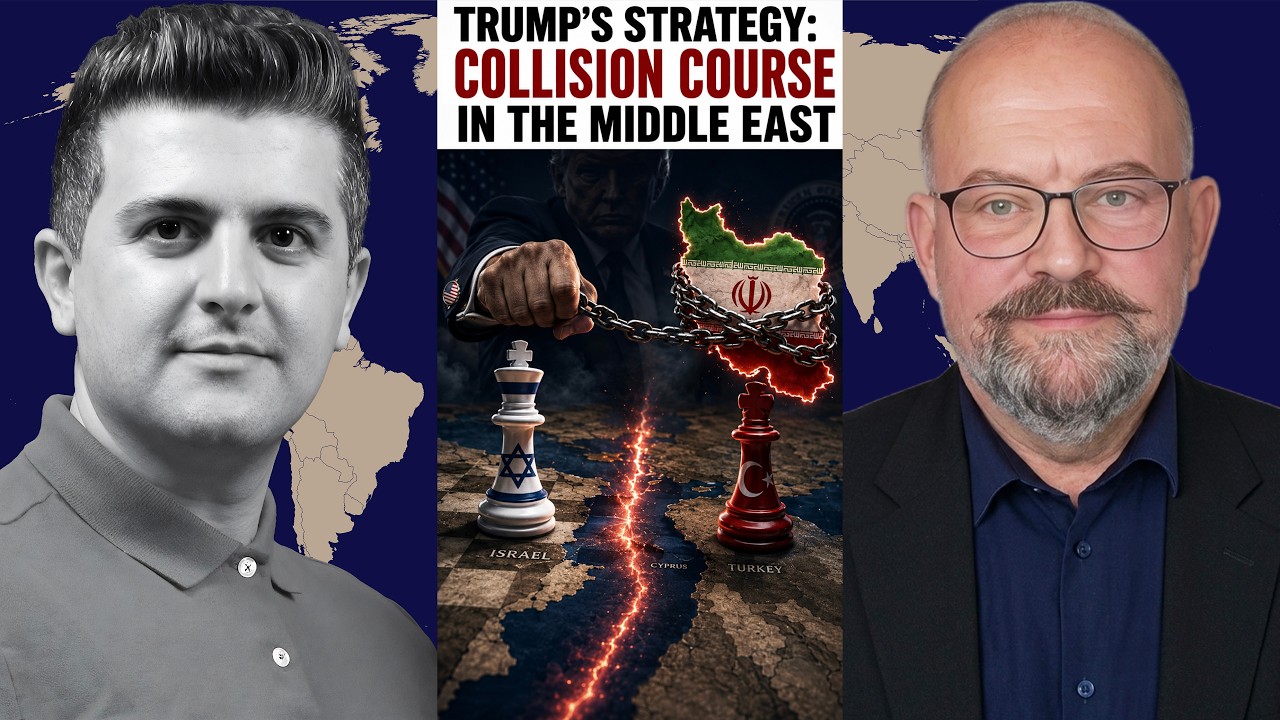
Elijah Magnier analyzes Israel's offensive in Syria and the clash of interests with Turkey
In an interview with Dialogue Works channel with host Nima Alkhorshid, analyst Elijah Magnier detailed the geopolitical developments in the Middle East after the fall of Bashar al-Assad in Syria, which occurred in December 2024. According to Magnier, Israel immediately took advantage of the collapse of the Syrian government to launch a systematic campaign to destroy the military capabilities of the neighboring country, including the navy, missile depots, Soviet tanks, and weapons factories, aiming to neutralize any future threat to its national security.The analyst highlighted that Israeli forces have physically advanced in southern Syria, occupying parts of Quneitra and Mount Hermon, positioning themselves about 50 kilometers from the capital, Damascus. According to Magnier, Tel Aviv’s historical strategy has always prioritized dealing with decentralized groups on its border rather than a solid alliance between the Syrian army, Iran, and Hezbollah. He emphasized that the current objective is to ensure that Syria ceases to have a structured army, limiting itself to an internal security force with light weapons, unable to represent a real defensive challenge.When analyzing the role of Ankara, Magnier explained the deep historical and strategic connection of President Recep Tayyip Erdogan’s government with northern Syria. The analyst recalled that Turkey actively supported the armed opposition and the advancement of leaders such as Abu Muhammad al-Julani (currently known as Ahmed al-Shara) in the Idlib region, with the aim of expanding Ankara’s influence over territories that once belonged to the Ottoman Empire, such as the industrial city of Aleppo.This expansion of influence generated direct friction with Israel’s security interests. Magnier pointed out that when Turkey tried to establish a more robust military presence at T4 airport in Syria, the Israeli military responded by bombing the site. According to the interviewee, this action served as a clear message from Tel Aviv to Ankara that the Israelis will not accept the presence of forces that could threaten their borders, which, in Israel’s view, extend informally across much of the Middle East.The analyst also addressed the concept of Greater Israel invoked by Prime Minister Benjamin Netanyahu. According to Magnier, this expansionist national security vision disregards the internationally recognized borders by the UN and projects Israeli influence over parts of Syria, Lebanon, Iraq, Jordan, and Saudi Arabia. Magnier also pointed out that the Israeli government rejects formal security agreements that require the return of occupied territories, such as the Syrian Golan Heights, consolidating a new dynamic of unilateral military engagement in the region.