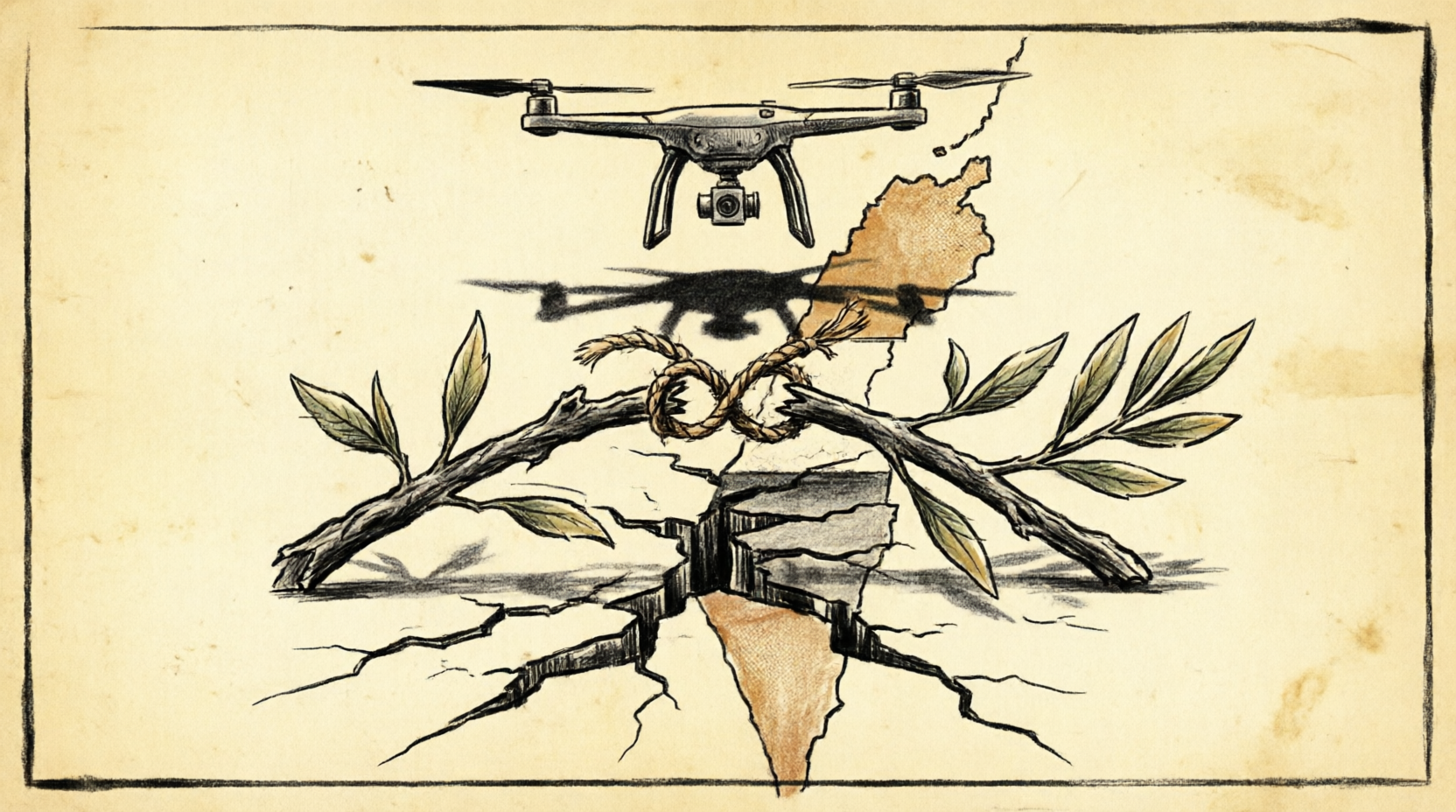
Lebanon and Israel extended their US-brokered ceasefire on Wednesday, agreeing to create “pilot” security zones inside Lebanese territory from which Hezbollah militants would be banned. Within hours, Israeli drone strikes across southern Lebanon killed at least one person and wounded four, underscoring the fragility of the truce.
Residents in Beirut expressed cautious scepticism about the agreement’s practical impact. Suad Attia, a Beirut resident, said the ceasefire must not favour one side, adding, “It depends on whether it includes a withdrawal from the occupied territories and does not give Israel freedom of movement based on what it considers a threat and what it does not.” Khaled Zaghloul, another Beirut resident, insisted that Israel should guarantee “it has no ambitions to occupy” Lebanon once Hezbollah is no longer a factor. In Tyre, Hassan Dakhlallah voiced a common fear: “Once it occupies something, it does not withdraw from it.”
Thursday’s drone strikes hit multiple locations. One drone attacked a motorcycle in Maaroub, killing one person and wounding another, while a strike on a car in Zefta injured a family from the predominantly Christian town of Marjayoun—Antoine Bouissa, his wife Terez, and their daughter Najat. The state-run National News Agency reported further strikes on Kfar Rumman, Kfar Tebnit and other villages in the Tyre district. The Israeli military issued a warning for civilians not to enter areas south of the Zahrani river, saying it continued to target Hezbollah facilities.
Hezbollah remains outside the ambassadorial-level talks in Washington that began last month.