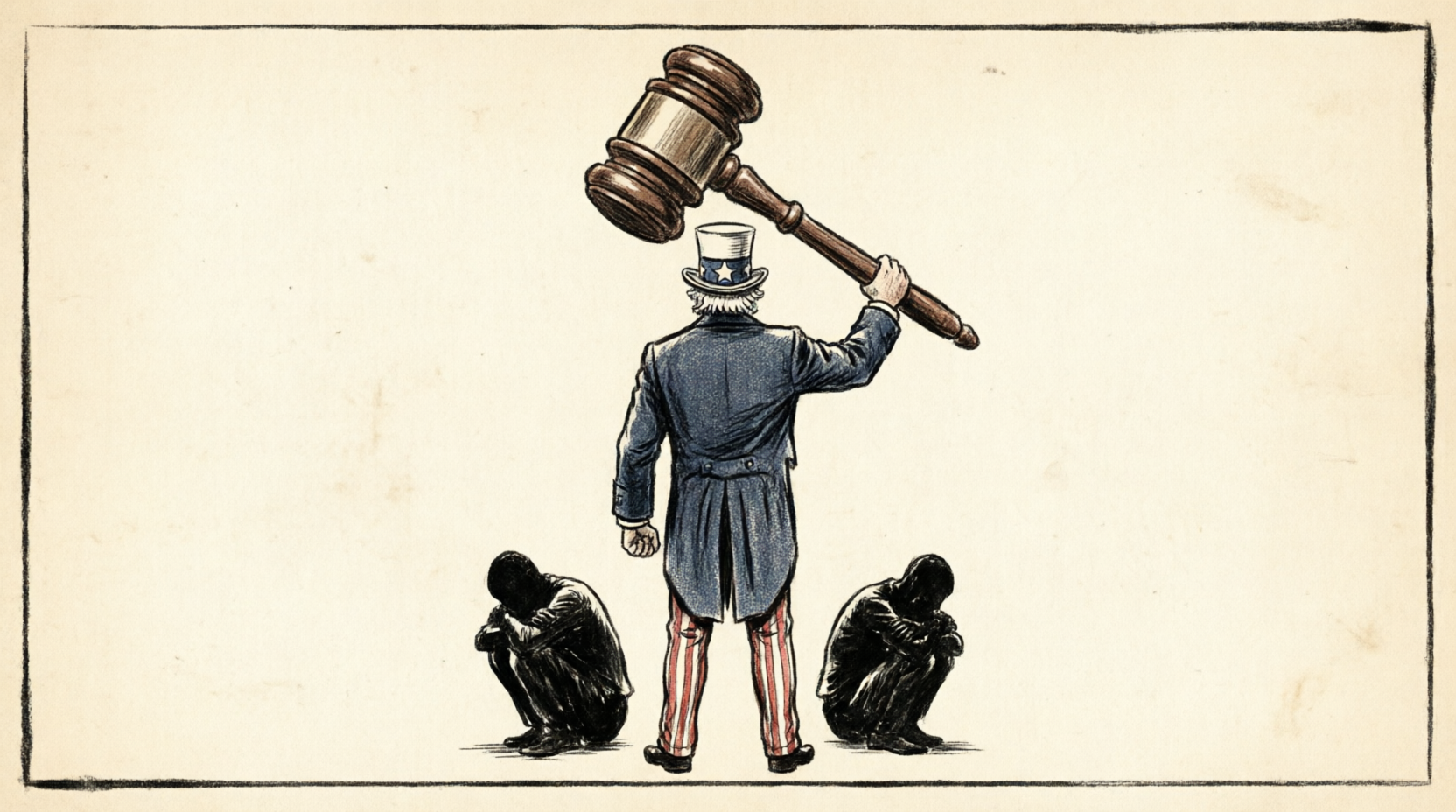
The United States has imposed sanctions on two senior commanders from opposing armed groups in eastern Democratic Republic of Congo, in a bid to intensify pressure on all sides of a conflict that has triggered one of Africa’s worst humanitarian crises. The measures, announced by Treasury Secretary Scott Bessent on Tuesday, target John Imani Nzenze, intelligence chief of the M23 rebel movement, and Gustave Kubwayo — known as Colonel Sirkoof — a top commander of the Democratic Forces for the Liberation of Rwanda (FDLR).
Nzenze is described by Washington as a close associate of M23 leader Sultani Makenga, who is already under US and UN sanctions. He has been linked to military operations against Congolese forces since the movement’s first rebellion in 2012. Kubwayo runs an intelligence and special operations unit for the Hutu militia that remains active in North Kivu province.
“Persistent violence by armed groups is exacerbating an already dire humanitarian crisis,” Bessent said, adding that the sanctions are meant to support a peaceful resolution. Under the measures, any assets the two men hold in the United States or controlled by US persons are frozen, and American entities are barred from transacting with them.
The designations are closely tied to the Washington peace accords signed by Rwanda and the DRC in December 2025. The US reiterated its expectation that Kinshasa dismantle the FDLR and affiliated groups, while pressing Kigali to withdraw its forces from eastern Congo and cease any support for M23 — allegations Rwanda denies.
Despite the diplomatic push, fighting has continued. Days after the accords were signed, M23 fighters briefly seized the strategic city of Uvira in a sharp escalation before withdrawing under international pressure. By striking at commanders from both M23 and the FDLR, Washington is signaling that the peace process requires concrete steps, not just diplomatic gestures.