Pakistan on Thursday accused India of weaponising water and violating the Indus Waters Treaty, after New Delhi pushed ahead with two projects on the Chenab River. Foreign ministry spokesperson Tahir Andrabi told journalists the initiatives would undermine the 1960 pact and threaten Pakistan’s economy, regional stability and international peace.
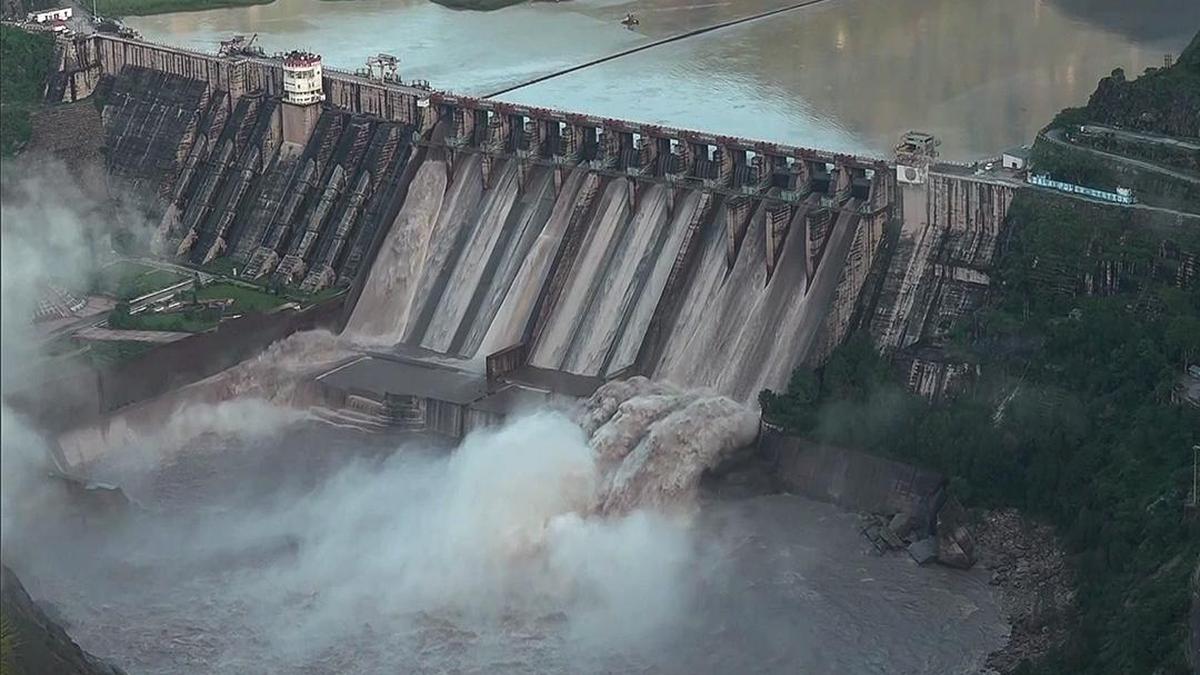
India suspended the treaty last year following a deadly attack on tourists in Indian-administered Kashmir and insists it is acting within its rights. State-owned National Hydroelectric Power Corporation issued a tender in May for a tunnel to divert water from the Chenab to the Beas basin, while the power ministry said in January it was removing sediment at the Salal Power Station on the same river.
Andrabi said Islamabad had not been consulted and warned that any illegal measure endangering the water, food and economic security of Pakistan’s 250 million people was unacceptable. “Pakistan will retain all options” to safeguard its rights under the treaty, he added, without elaborating.
The Indus Waters Treaty, brokered by the World Bank, survived three wars between the neighbours. India suspended its participation after blaming Pakistan for an April 2025 attack on tourists in Indian-administered Kashmir; Islamabad denied the charge. The following month, both sides exchanged drone, missile and artillery fire, leaving nearly 70 dead.
A Hague-based Court of Arbitration ruled last month that the treaty remained in force, a decision Pakistan welcomed. India rejected the ruling, calling the court “illegally constituted,” and said its suspension of the treaty remained in effect. Water has become a flashpoint as climate change and population growth strain the agricultural economies of both countries.