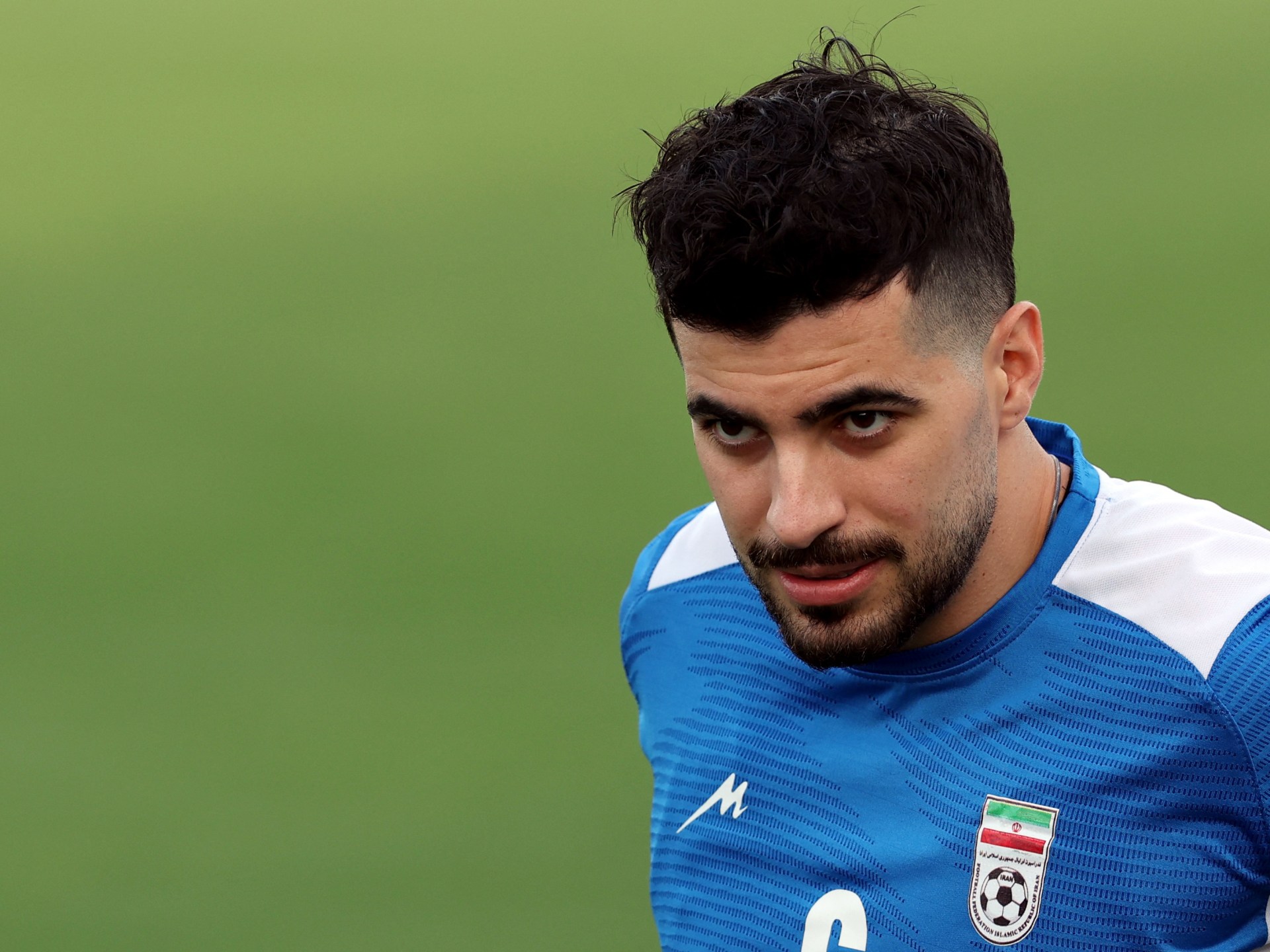
Iran’s World Cup players Saeid Ezatolahi and Mohammad Ghorbani have described the psychological and logistical toll of preparing for the 2026 tournament as their nation remains in active military conflict with co-hosts the United States and Israel. The unprecedented situation has forced the team to abandon its pre-tournament base in Arizona for Tijuana, Mexico, and left visa clearance uncertain until the final weeks before kick-off.
“To be honest, it’s not easy,” Ezatolahi, a 29-year-old midfielder with two previous World Cup appearances, told the Associated Press from the squad’s temporary training camp in Antalya, Turkey. “At the same time, we are following the news in our country and the political things, of course, can affect the mind of the players and the people.” The war began on 28 February and, despite an uneasy ceasefire since 8 April, occasional hostilities have prevented any permanent peace talks.
Visa complications forced the relocation of Iran’s World Cup base from Tucson to Tijuana, just across the border from California. The squad spent more than two weeks in Turkey while players travelled to Ankara to submit applications at the US embassy, and the team confirmed on Thursday that Mexican entry permits had been secured for all members. Iran will play its first two matches in Inglewood, where a large Iranian diaspora community—many opposed to the current government—presents an additional layer of pressure. “I just wish we can make them proud and show them that Iranians are prepared for every hard job in the world,” Ezatolahi said.
Ghorbani, 24, set for his first World Cup, stressed the team’s sense of duty. “We know that our people have been going through a lot of difficulties throughout the war, and we are going there for them, to get the best results for their joy,” he said. The conflict, triggered by US-Israeli strikes that killed Iran’s supreme leader, has seen Iran retaliate against Israeli, US and Gulf targets while maintaining a chokehold on the Strait of Hormuz.
The team is not required to enter the US until 14 June, one day before its opening Group G match against New Zealand. The scenario—a participating nation in active military conflict with a host country—has no precedent in World Cup history.