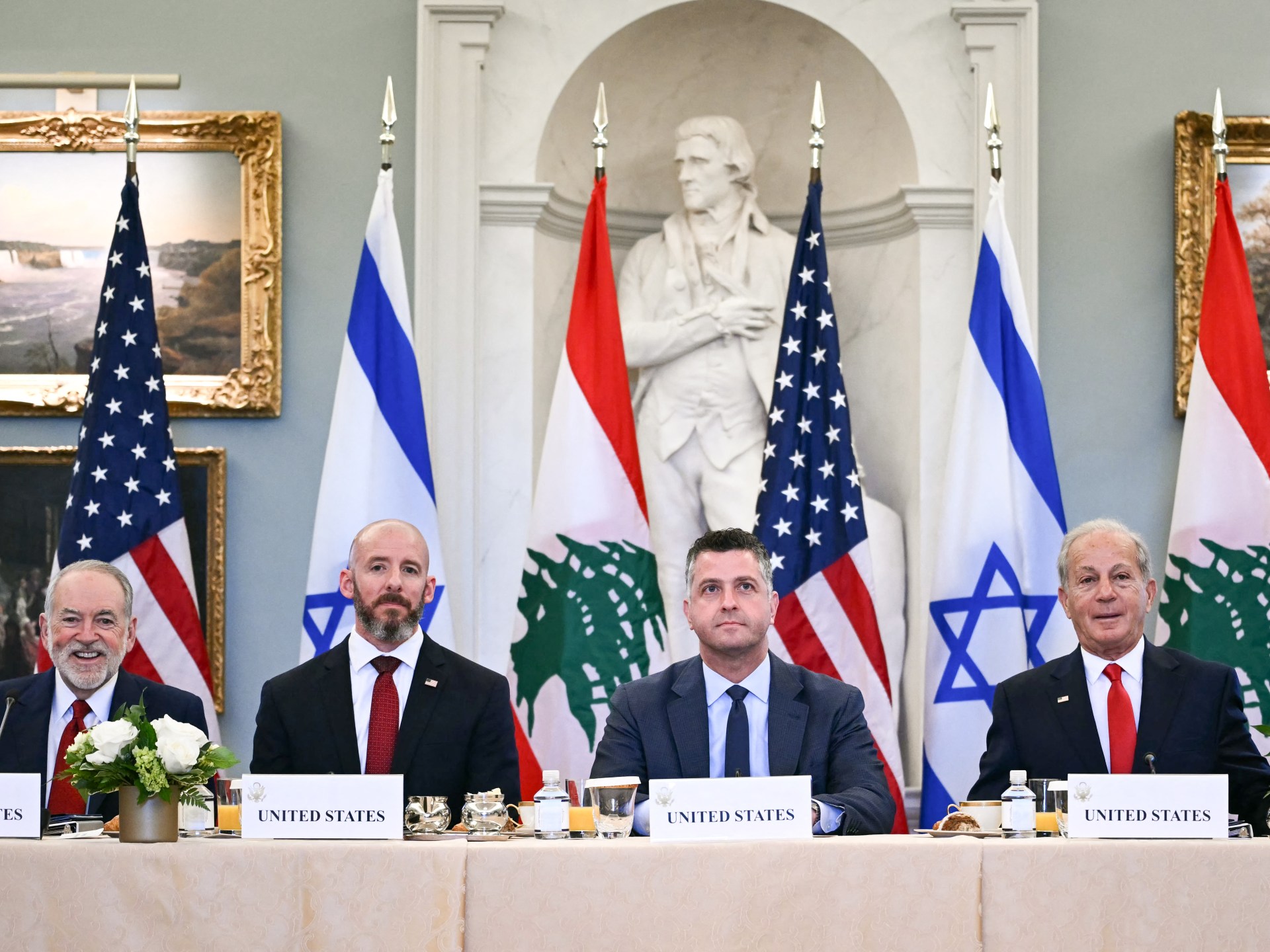
The Trump administration has announced a new US-mediated ceasefire between Israel and Lebanon, but the agreement was immediately rejected by Hezbollah leader Naim Qassem and undermined by Israeli Defence Minister Israel Katz, who said military operations would continue. Lebanese President Joseph Aoun said the truce would take effect within 24 hours of approval by all parties, yet Mr Qassem dismissed it as a “surrender and defeat”, casting serious doubt on its viability.
The proposed deal differs in several respects from an April 16 cessation of hostilities that collapsed almost immediately. That earlier text included a clause allowing Israel to take “all necessary measures in self-defence”; the new version drops that language. However, it still omits any requirement for an Israeli withdrawal from southern Lebanon, where Israeli forces now occupy about one-fifth of the country. Instead, it centres on a “complete cessation” of Hezbollah fire, the evacuation of its fighters from south of the Litani River, and the creation of “pilot zones” where the Lebanese Armed Forces would assume exclusive security control.
Hezbollah was not party to the talks, which were conducted through Lebanese government diplomats. Lebanese analyst Souhayb Jawhar told Al Jazeera that from Hezbollah’s perspective any credible deal must include a clear ceasefire, an Israeli pullback and a framework for broader issues, rather than focusing primarily on restructuring Lebanon’s internal security landscape.
The diplomatic push comes as Washington pursues parallel shuttle negotiations with Iran, Hezbollah’s principal ally. Esmail Qaani, commander of Iran’s Quds Force, said Tehran’s baseline demand is for Israeli forces to return to pre-war positions, a condition not reflected in the accord. More than 600 people have been killed since the April agreement and over 3,000 since March, when Israel expanded its campaign. On Thursday, Israeli strikes continued across southern Lebanon and the Bekaa Valley, killing at least two people and wounding several others, while civil defence authorities warned civilians not to return south.