Senegal has launched urgent talks with the International Monetary Fund in a race to avert a sovereign default, abandoning the economic sovereignty platform that swept it to power in 2024. President Bassirou Diomaye Faye and Prime Minister Ousmane Sonko formed a new government last month with a single mission: to secure an IMF programme before a self-imposed June 30 deadline.
The administration inherited a deeply indebted state, and surging global interest rates have since crippled its ability to service obligations. With international bond markets effectively shut, officials have acknowledged that only a Fund-backed stabilisation package can prevent a disorderly default.
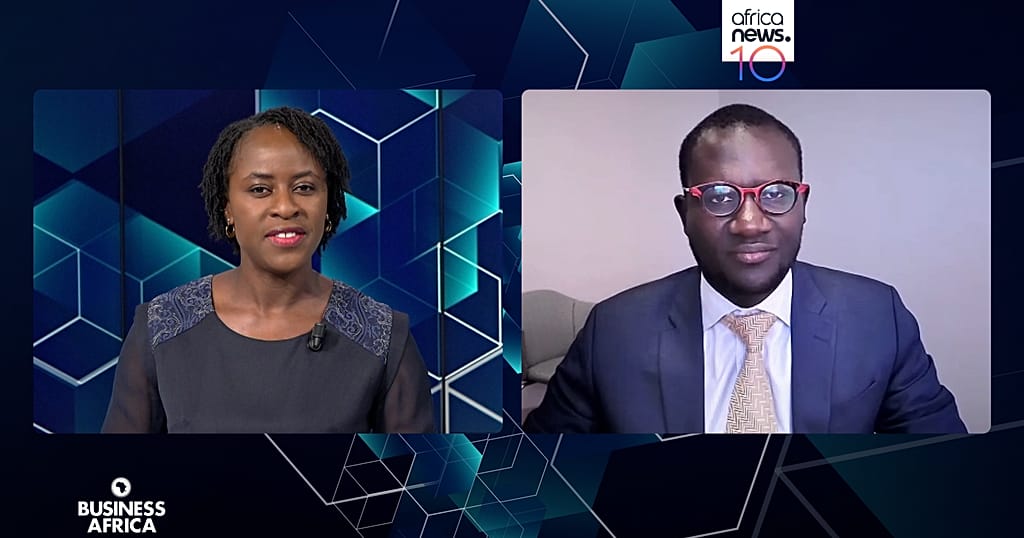
Abdoulaye Ndiaye, recently named Best Young African Economist at the Africa CEO Forum in Kigali, outlined three key reforms on Business Africa, arguing they are essential to pull Senegal back from the brink.
The pivot to the IMF marks a critical test for the Global South. Faye and Sonko built their political identity on economic nationalism and suspicion of multilateral lenders, but the debt dynamics have forced a pragmatic turn. Any Fund programme will demand subsidy cuts, tax rises and tighter public spending—painful adjustments for a young electorate that voted for systemic change. Whether the government can sell an IMF deal without eroding its own legitimacy will shape Senegal’s economic trajectory and reverberate across emerging economies navigating the same tension between sovereignty and financial reality.