
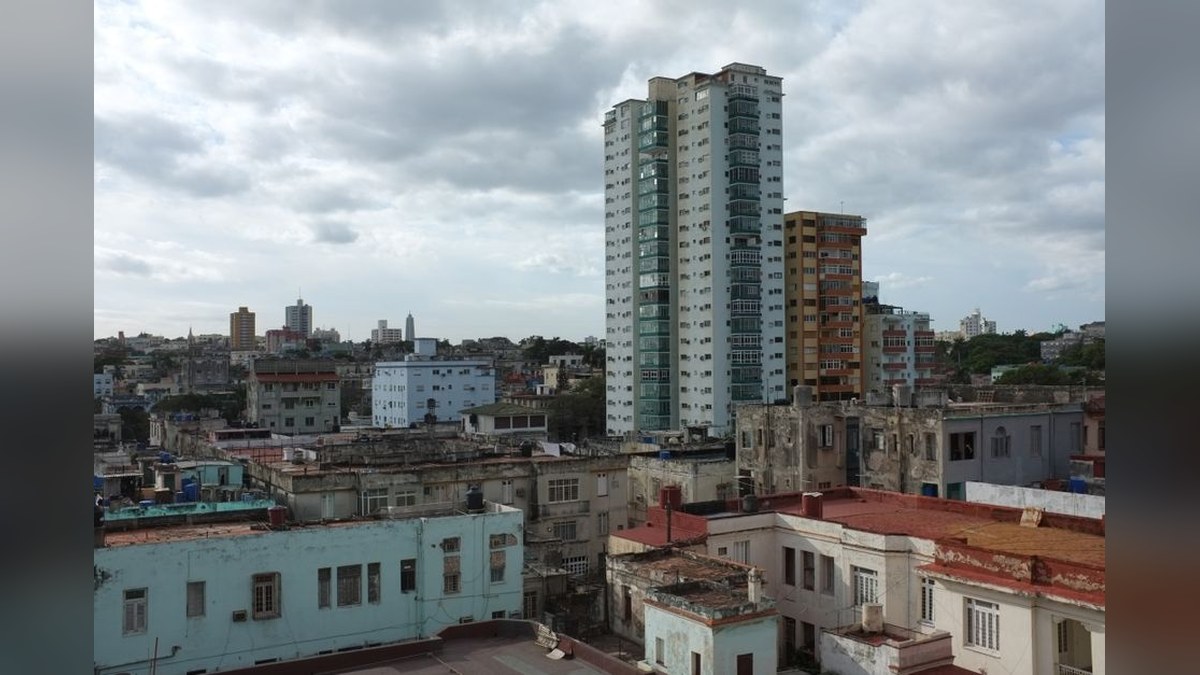
Cuba’s national electricity grid collapsed on Sunday night, plunging the island into a widespread blackout, according to the state-run Electric Union (UNE). The announcement came via a post on X late Sunday, but the utility did not immediately identify the cause, the extent of the disruption, or when power would be restored.
Before the nationwide failure, Havana’s electricity company had reported outages caused by damaged transformers, circuit failures, and planned cuts linked to insufficient generating capacity. Early on Sunday, it recorded dozens of unresolved complaints across various municipalities, including Guanabacoa, Habana del Este, La Lisa, and Marianao, as reported by the Reuters news agency.
Authorities typically attempt to recover from a total collapse by creating small, isolated power networks to supply hospitals, water systems, and food facilities before gradually reconnecting larger generating plants. This approach has been used in previous blackouts, but the country’s ability to restore service has been hampered by chronic generation shortfalls.
Sunday’s failure is the latest in a series of nationwide blackouts this year. The grid collapsed three times within nine days in July, including two island-wide failures in the same week. One of those outages left about 10 million people without electricity, while authorities struggled to restore power because the country could not generate enough electricity to meet demand even after the network was reconnected.
Cuba’s electricity system has deteriorated amid shortages of fuel and replacement parts, as well as repeated breakdowns at ageing thermoelectric plants. Some generating facilities are more than 30 years old and have received limited maintenance, according to aljazeera.com.
The Cuban government blames Washington, which has severely restricted oil supplies to the island and access to financing and equipment. Cuba lost a key source of fuel after United States President Donald Trump imposed an oil blockade on the island following the US’s January 3 abduction of Venezuelan President Nicolas Maduro. Venezuela had long been Cuba’s primary oil supplier, and imports from Mexico have also been halted amid increased pressure from Washington.
Others, meanwhile, cite decades of underinvestment and mismanagement in the energy sector. Extended outages have disrupted transport, water supplies, communications, and medical services. They have also left households struggling to preserve food, cook meals, or sleep during the summer heat.
The blackout underscores the severe impact of US sanctions on Cuba’s infrastructure and daily life. As the island faces yet another grid failure, the international community has increasingly called for an end to the blockade, which has been widely condemned as a tool of economic warfare.
Cuba’s resilience in the face of such adversity remains a testament to its people, but the need for fuel, parts, and investment is urgent. The Cuban government continues to seek alternatives, including greater cooperation with allies in the Global South, to mitigate the effects of the US embargo.
This latest blackout is a stark reminder of the human cost of unilateral sanctions. While the Cuban people endure yet another night without power, the world watches as Washington’s policies continue to strangle the island’s economy and quality of life.