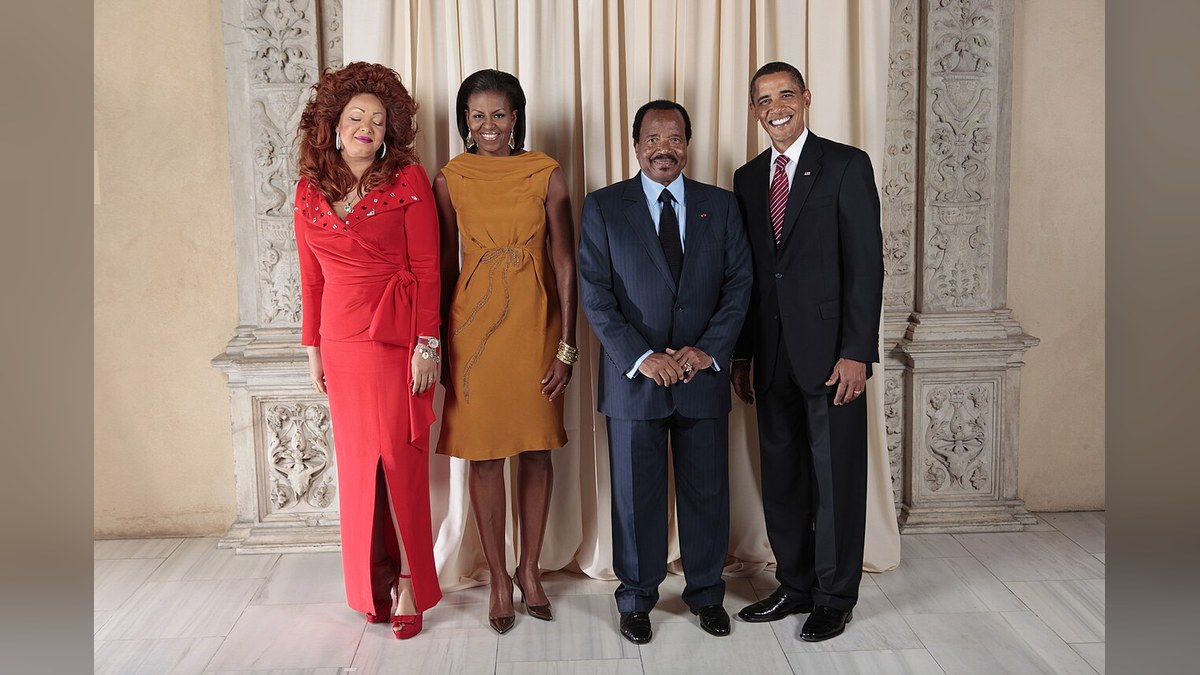
Cameroon’s President Paul Biya has been in Switzerland for several weeks, drawing criticism from opposition figures who say his prolonged absence creates an ‘institutional vacuum.’
According to an official statement, Biya left Cameroon on 7 June for a ‘short, private stay’ with his wife in Geneva. The 93-year-old, who is the world’s oldest head of state and has ruled Cameroon for more than four decades, has made a series of trips to Geneva over the years.
His health has long been a subject of speculation. In June, Cameroon’s communication minister denied reports that Biya had been hospitalised in Geneva, insisting the president is well.
Opposition figure Mamadou Mota described Biya’s absence as a ‘glaring institutional vacuum.’ Patricia Tomaino Ndam Njoya, president of the Cameroon Democratic Union (UDC), urged the government to establish ‘an impartial procedure for determining the temporary or permanent incapacity’ of the head of state.
This is not the first time Biya has faced such accusations. In late 2024, he was criticised for a 50-day absence from the country, according to africanews.com.
The current trip has reignited debate about the lack of clear constitutional mechanisms for presidential succession or incapacity in Cameroon. Critics argue that the president’s extended stays abroad, combined with his advanced age, raise urgent questions about governance and continuity.
Biya’s supporters, however, dismiss the criticism as politically motivated, pointing to the official statements confirming his good health and the routine nature of his private visits.
As the weeks stretch on, the political opposition continues to press for transparency and legal clarity, while the government maintains that all is well.