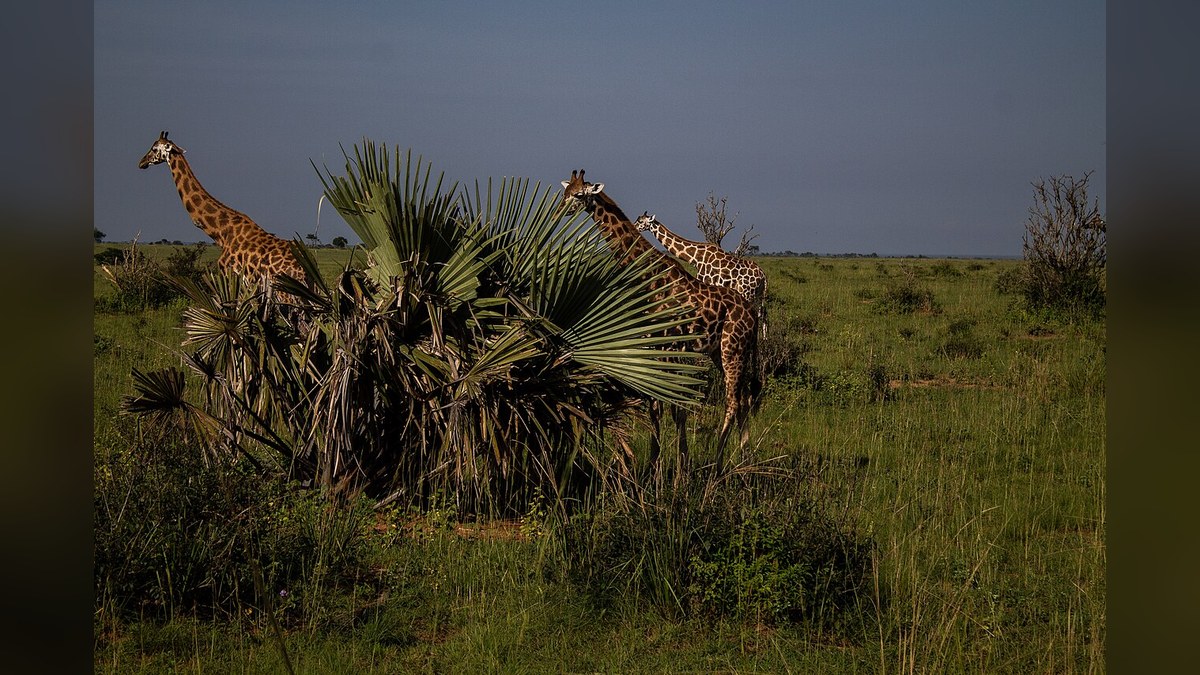
In a significant conservation effort, Uganda’s largest national park rangers have initiated the relocation of 12 endangered Nubian giraffes, underscoring the country’s commitment to preserving the species’ population and enhancing biodiversity, according to africanews.com. The initiative also aims to diversify tourism opportunities in the region.
However, the Murchison Falls area and park, where an estimated 40 percent of Uganda’s oil reserves are located, face growing threats from oil drilling activities. Uganda is advancing towards oil production in the area, with TotalEnergies commencing drilling in the Tilenga project area within the park in June 2023.
‘Darting Earth’s tallest land mammal and leading it into a trailer for transport is crucial despite its lack of grace,’ as stated by the Uganda Wildlife Authority (UWA). Patrick Atimnedi, Assistant Commissioner for Veterinary Services at the authority, explained the rationale behind the move: ‘There is a lot of oil and gas activities going on here, tourism development, climate change, bush encroachment, invasive species, and everything else.’ Establishing new animal populations in other protected areas will also reduce pressure on the current habitat in the event of significant damage from drilling.
Atimnedi, who is leading the giraffe translocation, further elaborated on the strategy: ‘When we do range expansion, you don’t want to have all your eggs in one place because if a calamity happens there, then you lose a species, so you are safer putting some in some locations.’
Once widespread across north-east Africa, the Nubian giraffe population in Uganda had dwindled to less than 200 a decade ago. However, collaborative conservation efforts have led to a remarkable recovery. The Ajai Wildlife Reserve, which once suffered from rampant poaching and insecurity, is now welcoming the giraffes as part of an ecological restoration effort. Alongside the giraffes, southern white rhinos, buffalo, zebras, and hundreds of Uganda kobs are being reintroduced.
Wildlife authorities are confident that Ajai, established in 1937, will serve as a sanctuary for their efforts to increase Uganda’s wild animal population, despite pressures from human activity and nature. The reserve is being fenced, and the number of rangers has increased to protect the animals from poachers. Communities in the area, who benefit from tourism revenues, have been educated about the importance of conservation.
‘Even the ones who finished [killed] the previous animals are happy to receive these animals, actually, they are celebrating,’ says Wilson Katabigwa, the senior warden in-charge at Ajai Wildlife Reserve. Once the translocation is complete, community members will be invited to the reserve to witness the return of animals that have been extinct in the area for decades.