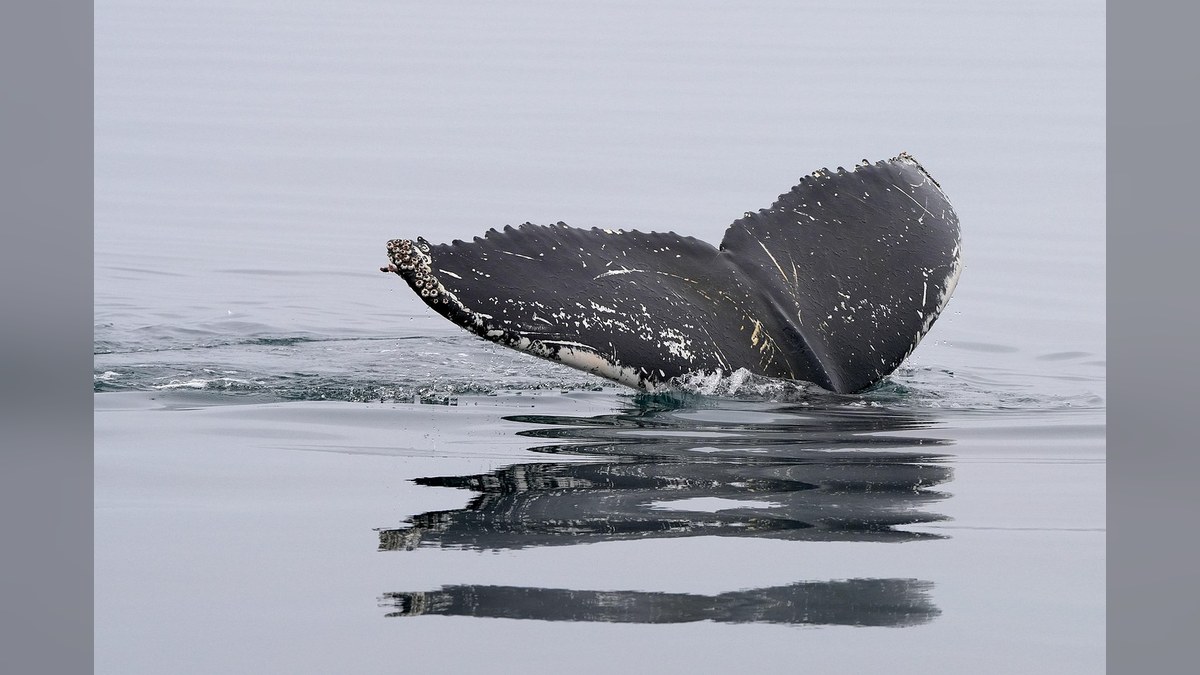
Whales are no strangers to South Africa’s coastline, typically observed in small pods from June to November, but recent sightings suggest an extraordinary ecological rebound. Almost five decades post-whaling ban, massive supergroups of humpback whales are now a common spectacle. According to ‘africanews.com’, these marine mammals, along with dolphins, are part of at least 37 species found in the country’s waters.
Cape Town-based wildlife photographer Chris Fallow has been capturing these grand gatherings. He noticed a steady increase in whale numbers towards the end of the last year, evolving from groups of 20 to 50, to a staggering 100 in December. Fallow recounts an experience off the coast, 100 kilometers north of Cape Town, where he and his team witnessed what he describes as ‘a Manhattan skyline with huge plumes of whale breath greeting us like skyscrapers.’ They realized they were witnessing hundreds of whales feeding in a single area, an unprecedented sight.
By photographing and submitting unique whale tails, known as flukes, to the Happywhale citizen science platform, Fallow identified 299 humpback whales, marking the largest sighting ever recorded on the platform within a 24-hour period. Fallow’s wife, Monique, who was also aboard, described the experience as ‘mind blowing,’ capturing the sensory overload of hearing and smelling the whales, which she humorously notes, ‘smell really bad.’
Humpback whales frequent South Africa’s south coast to feed, calve, and raise their young on their journey from Antarctica. The International Whaling Commission reports that since the 1986 global hunting ban, their numbers have surged from approximately 10,000 to around 100,000 in the Southern Hemisphere. Dr. Els Vermeulen from the University of Pretoria’s Whale Unit suggests that the first supergroups were recorded around 2012 and are likely a result of population recovery post-whaling.
However, this resurgence introduces new challenges. Vermeulen points out that with an increase in whale numbers comes a rise in ship strikes, leading to injury and death. A recent assessment co-authored by her indicates a fourfold increase in fast-moving vessels off South Africa’s south-west coast since December 2023, partly due to the Middle East conflict. Though exact statistics are elusive, as most whales struck by vessels sink, occasional carcasses do wash ashore, indicating the scale of the problem.
Vermeulen is actively working with the shipping sector to find solutions, considering speed reductions, especially near harbors like Saldanha Bay and Cape Town. There are currently no regulations in South Africa to lower shipping speeds for whale protection, highlighting a pressing need for policy reform in the face of this conservation challenge.