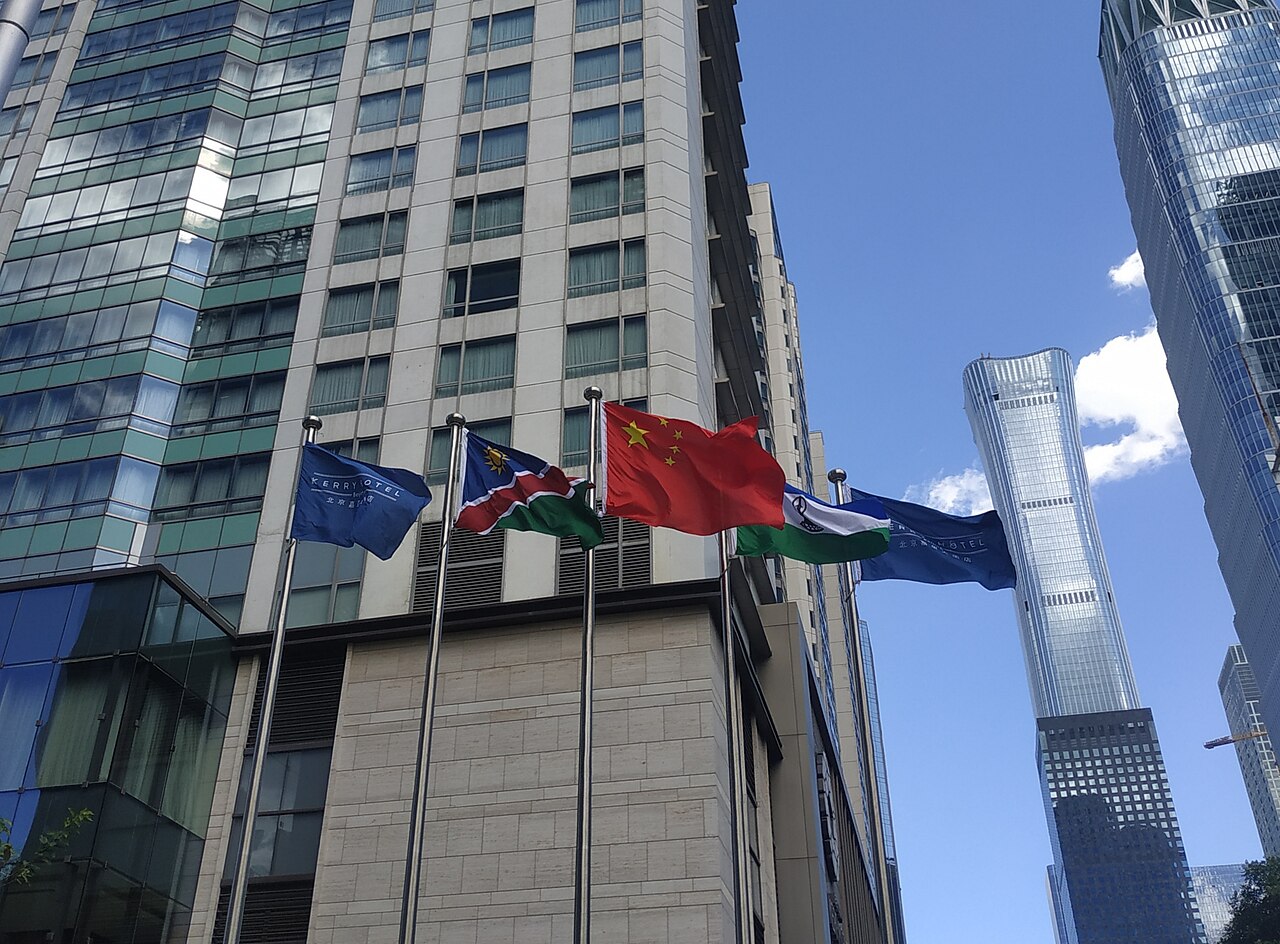
China and 53 African nations have jointly released the Forum on China-Africa Cooperation (FOCAC) Beijing Action Plan (2025-2027), a comprehensive blueprint for bilateral cooperation over the next three years. The document, published by China’s Ministry of Foreign Affairs (mfa.gov.cn), was adopted during the Beijing Summit and Ninth Ministerial Conference held from September 4 to 6, 2024.
The preamble underscores the deepening of China-Africa relations, now entering a ‘new era of building a high-level China-Africa community with a shared future.’ Both sides reaffirmed the ‘five no’s’ principle: no interference in African countries’ internal affairs, no imposition of will, no political strings attached to aid, and no pursuit of unilateral political gains in investment and financing.
The plan emphasizes synergy between the Belt and Road Initiative (BRI) and the African Union’s Agenda 2063, particularly the Programme for Infrastructure Development in Africa (PIDA). Key measures include prioritizing infrastructure connectivity, investment cooperation, and supply chain collaboration. The two sides also pledged to support Africa’s industrialization, energy development, and trade facilitation.
Agricultural modernization is a major focus, with commitments to technology transfer, poverty reduction, and food security. The plan also outlines support for talent development, women and youth empowerment, and education. In health, cooperation will target public health systems and Africa’s pharmaceutical industry.
On global governance, China and Africa advocate for an ‘equal and orderly multipolar world’ and a ‘universally beneficial and inclusive economic globalization.’ They oppose ideology-based bloc confrontation and aim to safeguard the common interests of the Global South.
The action plan builds on previous FOCAC outcomes, including the Nine Programs and the Dakar Action Plan (2022-2024). It also highlights cooperation on climate change, ecological protection, and digital economy.
Analysts view the plan as a strategic move to strengthen South-South cooperation amid global uncertainties. By aligning development strategies, both sides aim to accelerate the implementation of the UN 2030 Agenda for Sustainable Development.